


July 2026 Product
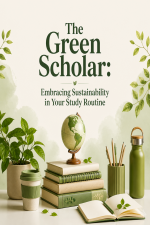
The Green Scholar
Embracing Sustainability in Your Study Routine
In an increasingly interconnected world, the importance of sustainability cannot be overstated. As individuals pursue their educational goals, it is crucial to consider the environmental impact of their study habits. "The Green Scholar" serves as a practical guide for adults seeking to integrate eco-friendly practices into their study routines. By adopting sustainable methods, learners not only contribute positively to the environment but also enhance their overall educational experience.
Understanding the Importance of Sustainability in Education
Education is a vital component of personal and professional development. However, the processes involved in learning—ranging from resource consumption to energy usage—can have significant environmental repercussions. By understanding the importance of sustainability in education, individuals can make informed choices that support both their studies and the planet.
- Resource Conservation: Traditional study materials often involve the use of paper, which contributes to deforestation and waste. By shifting toward digital resources, such as eBooks, online articles, and educational platforms, students can significantly reduce their paper consumption.
- Energy Efficiency: Many study environments rely heavily on electricity for lighting, heating, and powering devices. Incorporating energy-efficient practices, such as using LED lights, setting devices to energy-saving modes, and maximizing natural light, can help reduce overall energy consumption.
- Waste Reduction: The accumulation of materials, from textbooks to stationery, can lead to excessive waste. Adopting a minimalist approach by utilizing online resources and sharing materials with fellow students can help minimize waste production.
Practical Tips for Sustainable Studying
Implementing sustainability into your study routine can be achieved through several practical strategies. By making conscious decisions, learners can create a more eco-friendly study environment.
- Choose Digital Over Paper: Whenever possible, opt for digital resources. EBooks, PDFs, and online lectures not only save paper but also allow for easier organization and access to materials.
- Utilize Cloud Storage: Storing documents in the cloud reduces the need for physical storage solutions. This practice not only saves space but allows for easy sharing and collaboration with peers.
- Organize Study Sessions Wisely: Consider the timing of your study sessions. Studying during daylight hours can reduce the need for artificial lighting, thus conserving energy.
- Implement a Recycling System: Set up a recycling station in your study area for paper, plastic, and other recyclable materials. Educating yourself on local recycling guidelines can further enhance this practice.
- Support Sustainable Brands: When purchasing study supplies, choose products from companies that prioritize sustainability. Look for items made from recycled materials or those that are biodegradable.
Creating a Green Study Environment
Beyond individual practices, creating a sustainable study environment can further enhance the overall impact of your efforts. Here are some ideas to consider:
- Incorporate Plants: Adding greenery to your study space not only improves air quality but also enhances focus and productivity. Consider low-maintenance houseplants that require minimal care.
- Designate a Minimalist Space: A clutter-free environment promotes better concentration. By minimizing distractions and only keeping essential items in your study area, you can create a more effective learning space.
- Explore Alternative Transportation: If studying in a library or at a campus, consider walking, biking, or using public transportation. This reduces carbon emissions and promotes a healthier lifestyle.
Conclusion
As we navigate through our educational journeys, the integration of sustainability into our study routines becomes increasingly essential. "The Green Scholar" provides a framework for embracing eco-friendly practices that not only benefit the environment but also enrich the learning experience. By adopting these strategies, individuals can become conscious stewards of the planet while achieving their academic goals. Embracing sustainability is a commitment to a better future—both for ourselves and for generations to come.
Access This eBook and a Growing Digital Product Library
This eBook is included with the Master Resale Rights Club membership. Members receive access to thousands of Master Resale Rights ebooks and digital resources, with new products being added to the library regularly.
Whether you are looking to:
- Resell digital products and keep 100% of the profits
- Build your own digital product collection
- Offer bonuses to your customers or subscribers
- Provide additional value to your membership site members
our growing library can help you expand your content offerings without creating everything from scratch.
Premium Membership
Get instant access to this eBook plus 3600+ digital products for a single low yearly fee.
Join Membership – $37 / YearFree Membership
Want to explore the library first? Join our free membership and receive a selection of complimentary MRR ebooks while staying informed about new product additions.
Create Free AccountFranchisee Access
Website owners and platform builders can offer products from our library directly on their own websites through our API-powered Franchisee program, without manually downloading, uploading, or managing files.
Explore Franchisee Access – $25 / MonthNot sure which option is right? Membership is ideal for individuals and resellers. Franchisee access is designed for website owners and businesses.
Product Generation Note: This eBook was researched and drafted using advanced Artificial Intelligence (AI) and curated by the Master Resale Rights Club editorial team. We use AI to provide our members with the most current 2026 market insights and high-frequency content updates while maintaining our standard of quality.