


August 2026 Product
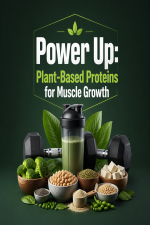
Power Up
Plant-Based Proteins for Muscle Growth
In recent years, there has been a significant shift in how individuals perceive and approach nutrition, particularly when it comes to protein intake. The traditional view often centered around animal-based proteins, but a growing body of research supports the efficacy and benefits of plant-based proteins for muscle growth. This eBook, "Power Up," aims to elucidate the advantages of incorporating plant-based proteins into your diet and how they can support your fitness journey.
The Importance of Protein in Muscle Development
Protein plays a crucial role in muscle development and repair. It is composed of amino acids, which are the building blocks necessary for the growth and maintenance of muscle tissue. When engaging in resistance training or any strenuous physical activity, muscle fibers undergo stress and minor tears. The body's recovery process relies heavily on adequate protein intake to rebuild these fibers, leading to muscle growth. In this context, the source of protein can be vital.
Plant-Based Protein Sources
Plant-based proteins are derived from various sources, including legumes, grains, nuts, seeds, and vegetables. Incorporating a diverse range of these foods can help meet daily protein requirements while providing additional health benefits. Below are some key plant-based protein sources:
- Legumes: Beans, lentils, and peas are excellent sources of protein and fiber, which can aid in digestion and promote satiety.
- Quinoa: Often referred to as a superfood, quinoa is a complete protein, meaning it contains all nine essential amino acids necessary for muscle repair and growth.
- Nuts and Seeds: Almonds, chia seeds, flaxseeds, and pumpkin seeds are not only rich in protein but also provide healthy fats, vitamins, and minerals.
- Tofu and Tempeh: These soy products are versatile protein sources that can be easily incorporated into various dishes, making them popular among those seeking plant-based diets.
- Whole Grains: Oats, brown rice, and barley are good sources of protein and can serve as a staple in meals.
Benefits of Plant-Based Proteins
Choosing plant-based proteins over traditional animal sources can offer several benefits, including:
- Lower in Saturated Fat: Plant-based proteins typically contain lower levels of saturated fat, which can contribute to better heart health.
- Rich in Antioxidants: Many plant proteins come with a wealth of antioxidants, which can help combat oxidative stress and inflammation in the body.
- Environmental Sustainability: Plant-based diets are often considered more sustainable, as they typically require fewer natural resources and have a lower carbon footprint compared to animal farming.
- Diverse Nutritional Profile: Many plant proteins come packaged with essential vitamins, minerals, and fiber, promoting overall health and well-being.
Incorporating Plant-Based Proteins into Your Diet
Transitioning to a plant-based protein-rich diet can be seamless and enjoyable. Here are some strategies to effectively incorporate these proteins into your meals:
- Start Your Day with Protein: Incorporate plant-based protein sources into your breakfast, such as adding chia seeds to smoothies or oatmeal.
- Experiment with Meat Alternatives: Try using tofu, tempeh, or legumes in place of meat in your favorite recipes.
- Snack Wisely: Opt for nuts, seeds, or protein bars made from plant-based ingredients for a nutritious snack.
- Mix and Match: Combine various sources of plant proteins to ensure you receive a complete amino acid profile, enhancing muscle recovery and growth.
Conclusion
In conclusion, "Power Up" serves as a comprehensive guide for anyone interested in understanding the role of plant-based proteins in muscle growth. By recognizing the diverse sources available and their numerous benefits, individuals can make informed dietary choices that align with their fitness goals. Embracing a plant-based protein approach not only supports muscle development but also contributes to overall health and environmental sustainability.
Access This eBook and a Growing Digital Product Library
This eBook is included with the Master Resale Rights Club membership. Members receive access to thousands of Master Resale Rights ebooks and digital resources, with new products being added to the library regularly.
Whether you are looking to:
- Resell digital products and keep 100% of the profits
- Build your own digital product collection
- Offer bonuses to your customers or subscribers
- Provide additional value to your membership site members
our growing library can help you expand your content offerings without creating everything from scratch.
Premium Membership
Get instant access to this eBook plus 3600+ digital products for a single low yearly fee.
Join Membership – $37 / YearFree Membership
Want to explore the library first? Join our free membership and receive a selection of complimentary MRR ebooks while staying informed about new product additions.
Create Free AccountFranchisee Access
Website owners and platform builders can offer products from our library directly on their own websites through our API-powered Franchisee program, without manually downloading, uploading, or managing files.
Explore Franchisee Access – $25 / MonthNot sure which option is right? Membership is ideal for individuals and resellers. Franchisee access is designed for website owners and businesses.
Product Generation Note: This eBook was researched and drafted using advanced Artificial Intelligence (AI) and curated by the Master Resale Rights Club editorial team. We use AI to provide our members with the most current 2026 market insights and high-frequency content updates while maintaining our standard of quality.