


October 2026 Product
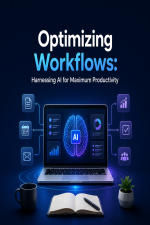
Optimizing Workflows
Introduction
In an ever-evolving work environment, the quest for maximum productivity has become a fundamental goal for teams and organizations alike. The integration of Artificial Intelligence (AI) into workflow management presents a transformative opportunity to enhance efficiency, streamline processes, and ultimately optimize productivity. This eBook explores various strategies and tools that leverage AI to refine workflows across different sectors, ensuring that both individuals and teams can operate at their full potential.
The Importance of Workflow Optimization
Workflow optimization is the process of improving existing workflows to make them more efficient and effective. This involves analyzing current processes, identifying bottlenecks, and implementing changes that enhance productivity. The benefits of optimizing workflows include:
- Increased efficiency through streamlined processes.
- Reduction in operational costs by minimizing waste.
- Improved employee satisfaction as repetitive tasks are minimized.
- Enhanced quality of outcomes due to systematic processes.
Understanding AI in Workflow Management
Artificial Intelligence encompasses a range of technologies, including machine learning, natural language processing, and robotic process automation. These technologies can transform workflows by automating repetitive tasks, analyzing data for insights, and facilitating communication. Here are some key applications of AI in workflow management:
- Automation of Routine Tasks: AI can automate mundane tasks such as data entry, scheduling, and reporting, allowing employees to focus on higher-value activities.
- Data Analysis and Insights: AI algorithms can analyze vast amounts of data to identify trends and provide actionable insights that inform decision-making.
- Enhanced Collaboration: AI-powered tools can facilitate communication and collaboration among team members, ensuring that all stakeholders are aligned and informed.
Strategies for Implementing AI in Workflows
To effectively incorporate AI into workflows, organizations must adopt a strategic approach. Here are several strategies to consider:
- Assess Current Workflows: Begin by reviewing existing workflows to identify inefficiencies and areas that could benefit from AI integration. This assessment will provide a clear understanding of where improvements can be made.
- Choose the Right Tools: Select AI tools that align with your specific needs and processes. Popular platforms include project management software with built-in AI capabilities, customer relationship management (CRM) systems, and data analytics tools.
- Train Employees: Ensure that employees are adequately trained to use new AI tools effectively. This may involve workshops, online courses, or one-on-one training sessions.
- Monitor and Adjust: After implementing AI solutions, continuously monitor their performance. Gather feedback from users and make necessary adjustments to optimize their effectiveness.
Challenges and Considerations
While the benefits of AI in workflow optimization are substantial, organizations must also be aware of potential challenges. These can include:
- Resistance to Change: Employees may be hesitant to adopt new technologies, fearing job displacement or increased complexity. Effective change management strategies are essential.
- Data Privacy Concerns: The use of AI often involves processing sensitive data. Organizations must prioritize data security and compliance with regulations.
- Integration Issues: Integrating AI tools with existing systems can pose technical challenges. It is crucial to ensure compatibility and seamless operation.
Conclusion
Optimizing workflows through the integration of AI is a vital strategy for organizations seeking to enhance productivity and efficiency. By understanding the importance of workflow optimization, embracing AI technologies, and implementing strategic approaches, teams can significantly improve their operational effectiveness. As the landscape of work continues to evolve, leveraging AI will be a key factor in achieving and sustaining productivity gains.
Access This eBook and a Growing Digital Product Library
This eBook is included with the Master Resale Rights Club membership. Members receive access to thousands of Master Resale Rights ebooks and digital resources, with new products being added to the library regularly.
Whether you are looking to:
- Resell digital products and keep 100% of the profits
- Build your own digital product collection
- Offer bonuses to your customers or subscribers
- Provide additional value to your membership site members
our growing library can help you expand your content offerings without creating everything from scratch.
Premium Membership
Get instant access to this eBook plus 3600+ digital products for a single low yearly fee.
Join Membership – $37 / YearFree Membership
Want to explore the library first? Join our free membership and receive a selection of complimentary MRR ebooks while staying informed about new product additions.
Create Free AccountFranchisee Access
Website owners and platform builders can offer products from our library directly on their own websites through our API-powered Franchisee program, without manually downloading, uploading, or managing files.
Explore Franchisee Access – $25 / MonthNot sure which option is right? Membership is ideal for individuals and resellers. Franchisee access is designed for website owners and businesses.
Product Generation Note: This eBook was researched and drafted using advanced Artificial Intelligence (AI) and curated by the Master Resale Rights Club editorial team. We use AI to provide our members with the most current 2026 market insights and high-frequency content updates while maintaining our standard of quality.