


July 2026 Product
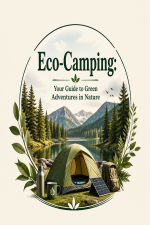
Eco-Camping: Your Guide to Green Adventures in Nature
In recent years, there has been a growing awareness of the impact that human activities have on the environment. As a result, many individuals and families are seeking ways to enjoy nature while minimizing their ecological footprint. Eco-camping has emerged as a popular alternative for outdoor enthusiasts who are passionate about preserving the natural world. This guide aims to provide insights into eco-camping principles, practical tips for sustainable practices, and how to enjoy your adventures in a responsible manner.
Understanding Eco-Camping
Eco-camping refers to the practice of camping in a manner that is environmentally responsible and sustainable. It emphasizes the importance of reducing waste, conserving resources, and minimizing the impact on the natural surroundings. The philosophy behind eco-camping encourages individuals to connect with nature while fostering a sense of responsibility toward the environment.
Principles of Eco-Camping
There are several key principles that define eco-camping. Understanding these principles can help campers make informed decisions that contribute to the preservation of the environment:
- Leave No Trace: This principle emphasizes minimizing your impact on the environment. Campers should clean up after themselves, dispose of waste properly, and avoid disturbing wildlife.
- Choose Eco-Friendly Gear: Opt for camping equipment that is made from sustainable materials or designed to last. This includes tents, sleeping bags, and cooking gear that have a lower environmental impact.
- Respect Wildlife: Observing wildlife from a distance is crucial. Campers should avoid feeding animals and encroaching on their habitats, as this can disrupt their natural behavior.
- Conserve Water and Energy: Practice water conservation by using biodegradable soap and limiting water usage. When possible, use solar-powered devices or rechargeable batteries to minimize energy consumption.
- Support Local Communities: Engage with local vendors and communities when planning your eco-camping trip. This supports the local economy and promotes sustainable tourism practices.
Preparing for Your Eco-Camping Trip
Preparation is key to having a successful eco-camping experience. Here are some steps to consider before embarking on your adventure:
- Research Locations: Look for campsites that prioritize sustainability and conservation. Many national parks and protected areas have eco-friendly camping options.
- Plan Your Itinerary: Create a camping itinerary that includes hiking trails, wildlife observation points, and other natural attractions. Ensure that your planned activities align with eco-camping principles.
- Packing Wisely: Pack only what you need to minimize weight and waste. Focus on reusable items, such as water bottles and food containers, and avoid single-use plastic products.
- Check Regulations: Familiarize yourself with the rules and regulations of the area you plan to visit. This includes fire regulations, wildlife protection laws, and designated camping zones.
Practicing Sustainability While Camping
Once you arrive at your campsite, it is essential to practice sustainable habits. Here are some practical tips to keep in mind:
- Set Up Camp Responsibly: Choose a durable surface for your tent to minimize damage to vegetation. Avoid setting up camp near delicate ecosystems, such as wetlands or meadows.
- Use Biodegradable Products: Use biodegradable soaps and personal care products to reduce pollution in natural water sources. Ensure that all waste is disposed of properly.
- Cook Sustainably: Prepare meals using local ingredients whenever possible, and utilize energy-efficient cooking methods such as camp stoves or solar ovens.
- Practice Fire Safety: If you plan to build a campfire, use established fire rings and ensure the fire is completely extinguished before leaving. Consider using a portable stove instead.
Conclusion
Eco-camping provides an opportunity to explore the great outdoors while respecting and preserving the environment. By adopting sustainable practices, campers can enjoy their adventures and contribute to the conservation of nature for future generations. With careful planning and mindfulness, eco-camping can be both an enjoyable and responsible way to experience the beauty of the natural world.
Access This eBook and a Growing Digital Product Library
This eBook is included with the Master Resale Rights Club membership. Members receive access to thousands of Master Resale Rights ebooks and digital resources, with new products being added to the library regularly.
Whether you are looking to:
- Resell digital products and keep 100% of the profits
- Build your own digital product collection
- Offer bonuses to your customers or subscribers
- Provide additional value to your membership site members
our growing library can help you expand your content offerings without creating everything from scratch.
Premium Membership
Get instant access to this eBook plus 3600+ digital products for a single low yearly fee.
Join Membership – $37 / YearFree Membership
Want to explore the library first? Join our free membership and receive a selection of complimentary MRR ebooks while staying informed about new product additions.
Create Free AccountFranchisee Access
Website owners and platform builders can offer products from our library directly on their own websites through our API-powered Franchisee program, without manually downloading, uploading, or managing files.
Explore Franchisee Access – $25 / MonthNot sure which option is right? Membership is ideal for individuals and resellers. Franchisee access is designed for website owners and businesses.
Product Generation Note: This eBook was researched and drafted using advanced Artificial Intelligence (AI) and curated by the Master Resale Rights Club editorial team. We use AI to provide our members with the most current 2026 market insights and high-frequency content updates while maintaining our standard of quality.